Expert Roofer Offering Fine Roof Services
Engaging a skilled roofing contractor is a strategic decision for homeowners seeking quality roofing solutions. These experts not only ensure adherence with local building codes but also provide access to superior materials. Their capacity to detect and resolve potential issues in advance can save considerable time and financial resources. Comprehending the various roofing options available and the advantages they offer can optimize this undertaking. What considerations should homeowners consider when choosing the right professional for their needs?
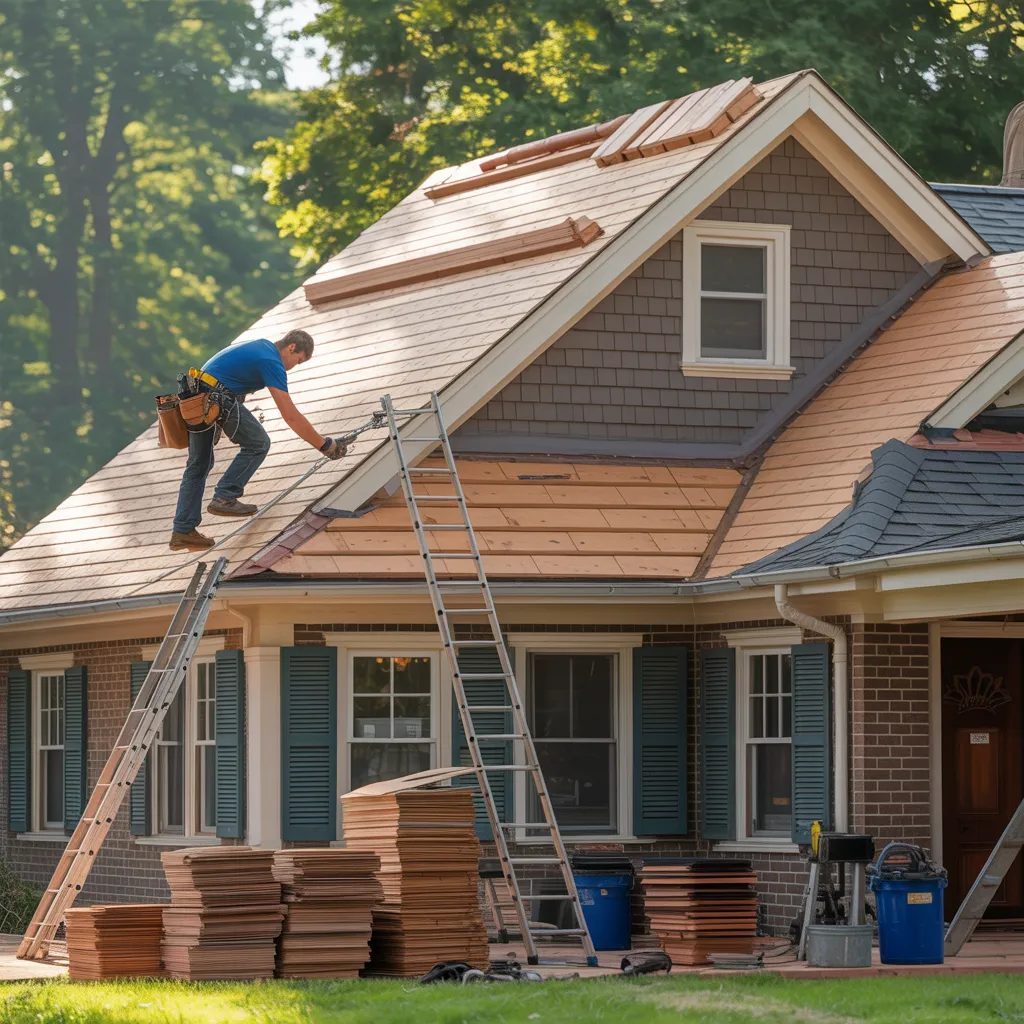
Reasons to Hire a Qualified Roofer
When deliberating a roofing project, hiring a professional roofer assures both quality and safety. Professional roofers possess the necessary training and proficiency to address diverse roof issues competently. Their background permits them to recognize possible complications prior to they worsen, guaranteeing enduring structural integrity. Additionally, they are conversant in municipal construction codes and regulations, which decreases the threat of statutory issues.
Additionally, expert roofers have availability of premium materials that may not be obtainable by the average property owner, enhancing the general performance of the roof structure. They also provide warranties that can offer peace of mind, protecting the investment made in the roofing project. Importantly, safety is critical; professional jump in roofers are equipped with the right tools and safety gear to perform their labor without risking injury. To conclude, hiring a professional roofer is a prudent choice for achieving a dependable and safe roofing solution.
A Resource for Popular Roofing Materials and Their Perks
Many roof options are obtainable, each providing distinct advantages suited to different needs and tastes. Asphalt shingles are among the most popular due to their affordability, simple installation process, and variety of colors. Metal roofing, recognized for its strength and resistance to extreme weather, also reflects heat, making it energy-efficient. Slate tiles deliver a classic appearance and exceptional longevity, while clay tiles offer superior insulation and can withstand harsh climates.
For individuals looking for eco-friendly options, rubber roof materials is gaining traction; it replicates the appearance of more expensive options and is constructed with recycled products. Wooden shakes provide a natural, rustic look but demand additional upkeep. Ultimately, artificial roof options combine the finest qualities of conventional materials, providing flexibility and resilience. Each option offers unique benefits, making it essential for homeowners to assess their preferences and speak with professionals when choosing the best roofing solution.
Widespread Roofing Problems and Approaches Specialists Employ to Address Them
Standard roofing issues, such as leaks and water damage, can lead to significant constructional damage if not addressed promptly. Additionally, missing or damaged shingles impair the roof's solidity and expose the home to supplementary perils. Professionals leverage multiple approaches to identify and resolve these issues, ensuring permanent safeguarding and peace of mind for homeowners.
Seepage and Water Harm
Leaks and water damage create considerable hurdles for homeowners, frequently causing high-cost fixes and foundational problems. These troubles usually come from a broad spectrum of causes, including degraded substances, incorrect assembly, or even extreme weather events. Water penetration can undermine insulation, enable mold development, and compromise structural soundness. Expert roofers leverage state-of-the-art approaches to discover and remedy leaks with efficiency. They execute in-depth assessments to identify susceptible locations, deploying tools such as moisture meters and infrared cameras. Once detected, they execute customized remedies, which may include sealing, flashing replacement, or, in severe cases, partial roof replacement. By resolving leaks in a timely manner, professionals support homeowners lessen deterioration, guaranteeing enduring security and peace of mind.
Missing or Defective Shingles
Roofing concerns often present through absent or degraded shingles, which can compromise a home's protective barrier. These issues expose the underlying structure to environmental factors, potentially resulting in leaks and further deterioration. Professionals typically conduct thorough inspections to establish the extent of the damage. They may recommend substituting single shingles or entire sections, depending on the severity. Using excellent-grade materials, experienced roofers ensure correct placement to prevent future issues. Additionally, they assess the roof's overall condition to address any foundational issues, such as poor ventilation or structural weaknesses. Routine upkeep and timely repairs are vital to maintaining a roof's structural soundness, ultimately safeguarding the home against water intrusion and other environmental hazards.
Identifying the Finest Roof Choice for Your Home
If you are picking the best roofing alternative for a home, it is essential to assess your specific roofing requirements first. Comprehending the selection of roofing materials available and their prices can influence the selection process significantly. Financial planning also serve an important function in ensuring that the chosen solution meets both aesthetic and functional requirements.
Determining Your Roof Necessities
How can one decide on the most ideal roofing solution for their home? To evaluate roofing needs, start by reviewing the home's structure and the local climate. Homeowners should take into account criteria including energy efficiency, durability, and maintenance needs. A comprehensive inspection of the existing roof can uncover potential problems that might determine the choice of materials. Moreover, financial considerations play a major role; understanding the long-term expenses compared to initial expense is vital. Consulting a licensed roofer can provide key information and tips tailored to specific requirements. Ultimately, the decision must harmonize appearance with operational demands, ensuring the chosen roofing option increases the home’s value while providing durable defense.
Material Selection Examination
Pinpointing the ideal roofing materials constitutes a vital stage of the roof installation undertaking. Homeowners ought to analyze multiple options, all possessing unique advantages and disadvantages. Asphalt shingles enjoy favor for their low price and ease of installation, meanwhile metal roofing furnishes strength and energy performance. Clay and concrete tiles give a elegant, solid option, especially fitting for warm climates. Wood shakes display a natural allure yet require extra upkeep. Synthetic materials, such as rubber or plastic, copy age-old styles while affording superior durability. Plus, green considerations might inspire certain homeowners to pursue environmentally friendly options such as green roofs or reused content. Fundamentally, choosing the finest roofing material is contingent upon the home's appearance, climate, and individual taste.
Cost Considerations Detailed
Planning a budget for a roofing project usually requires careful evaluation of several aspects to guarantee homeowners pick the right option for their needs. First, the selection of materials greatly impacts both initial cost and the durability over time. Asphalt shingles are often budget-friendly, while metal or tile options may offer greater longevity but usually come at a higher price. In addition, labor costs can differ based on the roofing contractor’s expertise and the project's complexity. Homeowners should also factor in potential hidden expenses, such as structural repairs or necessary permits. Lastly, weighing long-term savings from energy efficiency and warranties will help in making an informed decision that balances upfront investment with future benefits.
What You Should Know About the Roofing Procedure
Understanding the fundamentals of the roof installation process can greatly enhance a property owner's perspective when undertaking a roof restoration project. Initially, property owners should expect to receive a comprehensive review of the existing roof to determine its quality and the essential repairs or new work. Following the assessment, a thorough estimate will outline the work parameters, materials, and timeframe.
As the project kicks off, homeowners can anticipate an well-organized setup with safeguarding protocols in place to safeguard their property. The roofing crew will remove old materials, evaluate the underlying structure, and install new roofing systems according to industry standards. Regular communication is essential, as homeowners should expect status updates on advancement and any unforeseen issues.
To wrap up, the project ends with a thorough assessment to confirm craftsmanship and conformance to standards. Property owners should likewise receive preventative care guidance to prolong the longevity of their new roof, reinforcing the importance of learning the complete roof installation procedure.
Why Periodic Roof Check-Ups Matter
Although many homeowners may disregard roof care, routine inspections are important for preserving the structural integrity and durability of a roof. These assessments help spot small problems before they turn into costly maintenance. By discovering problems such as leaks, loose shingles, or moss growth early, homeowners can save both time and money.
Furthermore, routine examinations guarantee that the roof adheres to local building codes and regulations, which can prevent future issues during property transactions. Seasonal changes can wear down roofing materials, making it critical to track wear and tear.
Additionally, a carefully maintained roof strengthens the overall visual beauty of a home and strengthens its market value. Performing regular assessments not only bolsters the structural soundness of the property but also grants peace of mind for homeowners. Ultimately, prioritizing roof maintenance is a active strategy to home maintenance that pays dividends in the long run.
Identifying and Hiring a Certified Roofer in Your Region
Upon acknowledging the importance of periodic roof assessments, homeowners frequently look for skilled professionals for servicing and fixes. Discovering a certified roofing professional in their area can prove intimidating; however, a few vital tips can ease the process.
Initially, house owners should ask for referrals from buddies, family members, or neighbors who have recently had roof installation done. Web reviews and ratings on websites like Google and Yelp can also furnish useful information into a roofer's reputation.
After a roster of possible contractors is put together, property owners should verify credentials, encompassing licenses and insurance. Requesting multiple quotes enables them to assess pricing and offerings.
Moreover, asking about protection plans and promises can help guarantee enduring performance. By following these steps, homeowners can securely engage a skilled roofing contractor who satisfies their particular requirements, ensuring their roofs stay in optimal shape for years to come.
Frequently Asked Inquiries
What Qualifications Should I Look for in a Experienced Roofer?
When looking for a skilled roofing contractor, one should emphasize credentials such as appropriate permits, adequate insurance, extensive experience, favorable client feedback, and adherence to industry standards. These factors ensure dependable craftsmanship and protection against potential liabilities.
What Timeframe Does a Average Roofing Project Require to Conclude?
A regular roofing job typically takes 1-3 days, subject to the size and complexity of the roof, weather conditions, and the crew's efficiency. More substantial or more complicated roofs may require more days.
Is It Feasible to Move Roofing Warranties if I Sell My Home?
Roofing warranties are frequently movable, but certain conditions must be met. Residents should check the warranty documents for particulars on transfer options, as some makers need notification and may have time constraints for the transfer timeline.
What Should I Do if I Suspect Roof Damage After a Storm?
If roof harm is suspected after a storm, the property owner should inspect the roof for apparent problems, document any harm, and contact a expert for an assessment to determine necessary repairs and avoid further issues.
What Steps Should I Adopt to Maintain My Roof Between Specialist Assessments?
Consistently examine the roof for debris, check for deteriorated shingles, and maintain gutters to stop water buildup. Promptly address small issues and monitor signs of leaks or wear between professional inspections.